
Cook Forward, Finish Faster
Today we dive into Time-Optimized Kitchen Workflows: Prep, Cook, and Cleanup Without Backtracking, turning every meal into a smooth, forward-moving sprint. Together we will map stations, batch motions, and sync heat with handwork, so dinner lands sooner, sinks stay calmer, and energy lasts longer. Expect practical checklists, tiny wins that compound, and a friendly push to experiment tonight. Share your timing breakthroughs, subscribe for fresh flow ideas, and let’s make weeknights taste brighter with fewer detours and almost no mess.
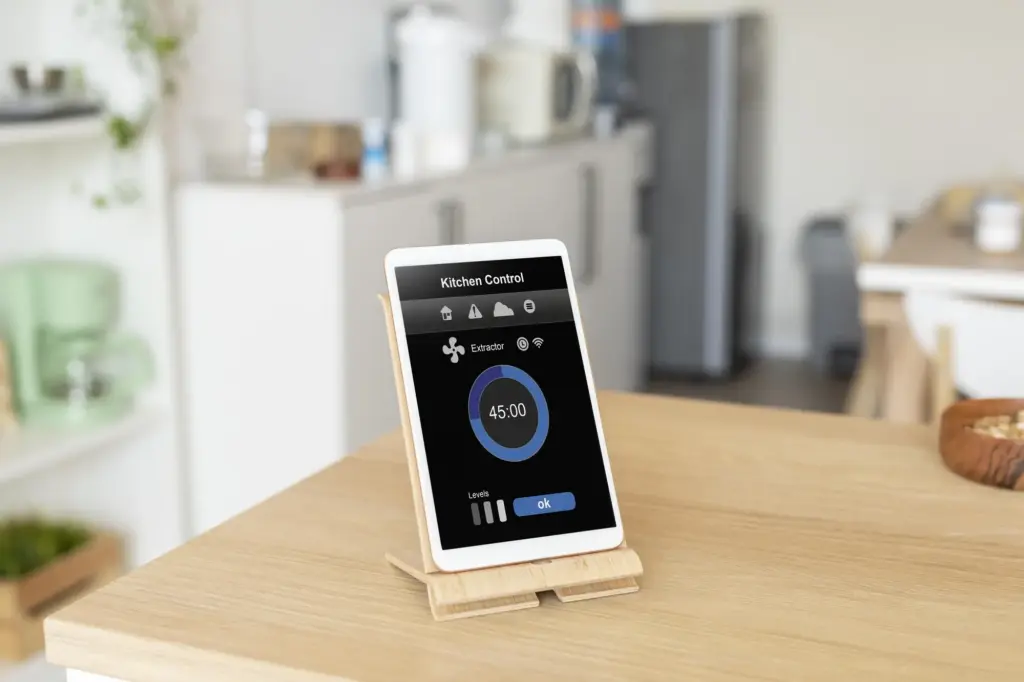

Craft a Forward-Only Kitchen Map
Before the first onion surrenders its layers, sketch how you want movement to travel. Think left-to-right or top-to-bottom: raw zone, prep zone, heat zone, finishing zone, plating, then cleanup. Put the trash downstream, the towels reachable, and the spices where hands actually stop. Borrow 5S thinking: sort, set, shine, standardize, sustain. Each small improvement shortens walks, saves seconds, and preserves focus. A chef in Lyon taught me to mark surfaces with tape for a week; the tape never lies.
Mise en Place That Preps Itself
Good mise en place is time-travel: it moves effort earlier, reduces switching, and makes later steps automatic. Group ingredients by cooking time, tool, and station. Stack nested bowls inside a sheet pan to slide the whole set forward. Pre-open cans, crack pepper, rinse herbs, and pre-cut parchment before heat begins. Embrace labels and clear containers to see progress at a glance. When every component is staged, you barely think; you simply flow.
Heat, Rest, and Handwork in Parallel
Preheat first, always. While heat climbs, you can wash, chop, and season. Then feed the hottest surface the items with the longest path to doneness. Use carryover cooking and resting windows to finish sauces, chop herbs, or toss salads. Sheet pans become shuttles; timers become traffic lights. Keep a landing zone for hot pans next to a finishing rack. When heat and hands trade turns without idling, dinner feels inevitable instead of rushed.
Start Heat First, Feed It Intelligently
Turn on the oven and preheat pans before touching produce. Heat wants time; give it an early head start. Stage proteins on racks for better airflow and faster browning. Boil water in covered pots while you season. Sear first, then slide to the oven for even doneness. Arrange burners by priority and commit each to a role. When heat gets marching orders before ingredients do, nothing stalls, and aromas arrive on schedule.

Exploit Resting Windows
Resting is not waiting; it is work happening off the stove. While chicken rests to redistribute juices, whisk a pan sauce, toast nuts, or blitz a quick herb oil. Use a warm corner or low oven for holding, not reheating. Plate sides during these windows so everything meets temperature together. Keep a written mini-timeline on a sticky note. These quiet, powerful minutes are your secret stash of time that prevents any late scramble.
Cleanup on Rails
Cleaning is faster when it rides the same forward track as cooking. Adopt a one-touch rule: once dirty, each item moves only forward toward clean, never back to your prep zone. Pre-fill a sink or tub with warm, soapy water before you begin. As pans finish, deglaze and wipe while they are still warm. Stack like with like, scrape before soaking, and stage towels and racks for air-drying. Clean becomes momentum, not punishment.
Weeknight Sprint: A Real Timeline
Let’s road-test the system with roasted chicken thighs, charred broccoli, and lemon couscous in about thirty minutes. We’ll warm the oven, season aggressively, and push everything along one lane. No mystery, no heroic multitasking—just smart sequencing, parked tools, and timely resting. You will notice how resting windows rescue finishing touches, and how a prepped sink steals minutes back. Try it tonight and report your time; your future self will send thanks.

00:00–05:00 Map, Heat, and Prep Station
Turn oven to 450°F and place a sheet pan inside. Put a pot with salted water on to boil. Lay out knives, board, towel, salt, oil, lemon, couscous, broccoli, and chicken. Set scrap bowl right, bus tub farther right. Mix a quick spice rub. Label two small bowls “start” and “finish.” The room already feels lighter because the path is drawn before the first cut happens.

05:01–18:00 Feed Heat, Build Sides, Reset Board
Toss broccoli with oil and salt, slide onto the preheated pan to start charring. Sear chicken skin-side down in a hot skillet, then transfer to the oven. While heat works, zest and juice lemon, slice scallions, and ready couscous. When water boils, kill the heat, stir in couscous, cover, and set aside. Wipe the board, refresh towels, and collect finishing ingredients during this quiet, valuable mid-cook window.

18:01–30:00 Finish, Plate, and Leave Only Steam
Pull the chicken to rest; quickly deglaze the pan with lemon juice and a splash of stock, whisking in butter for a glossy sauce. Fluff couscous with zest and herbs. Toss broccoli with a final squeeze. Plate in one pass: grain bed, chicken, broccoli, then drizzle sauce. Load dirties into the soak, wipe, and breathe. The only leftovers are good smells and a counter that already looks almost done.
Iterate, Measure, and Engage
Continuous improvement turns one smooth night into a habit. Time a favorite dish and record steps that felt sticky. Count footsteps on big nights and challenge yourself to remove ten. Try a weekly five-minute reset to maintain zones. Celebrate a single-second win; those seconds accumulate. Share your best layouts, subscribe for new playbooks, and ask questions. We refine this system together, shaping kitchens that serve joy, not stress, every ordinary evening.
Track What Matters, Not Everything
Pick two metrics: total cook time and sink time. Or steps taken and tool changes. Write them on a sticky note, then tweak one variable per attempt—pan size, cutting order, or bin placement. Beware measurement fatigue; insights come from focused trials, not exhaustive logs. When you see improvement on paper, motivation soars. Your kitchen becomes a lab where delicious, reliable routines emerge without spreadsheets swallowing your appetite.
Retrospective After Dinner
While plates are still warm, ask three questions: What dragged? What delighted? What will we change next time? Capture answers in ten words or less each. Move one tool, relabel one shelf, retire one fussy gadget. Tiny, consistent edits beat dramatic overhauls. This five-minute conversation shapes tomorrow’s flow more than any new recipe. Keep the ritual playful and honest; progress tastes sweeter when everyone at the table contributes.

All Rights Reserved.